How to Protect your Computer from Hackers

Hackers can do the unthinkable. Just when you thought you are safe behind your computer someone else holds you hostage. They seek out your weaknesses and ensure that they use them to their advantage. It is therefore important to do all you can to keep yourself safe.

Update your OS and other software frequently, if not automatically. This keeps hackers from accessing your computer through vulnerabilities in outdated programs. For extra protection, enable Microsoft product updates so that the Office Suite will be updated at the same time. Consider retiring particularly susceptible software such as Java or Flash.

password

Download up-to-date security programs, including antivirus and anti-malware software, anti-spyware, and a firewall (if your OS didn’t come pre-packaged with it). To trick even the most villainous hackers, consider investing in anti-exploit technology, such as Malwarebytes Anti-Exploit, so you can stop attacks before they happen.

Destroy all traces of your personal info on hardware you plan on selling. Consider using d-ban to erase your hard drive. For those looking to pillage your recycled devices, this makes information much more difficult to recover. If the information you’d like to protect is critical enough, the best tool for the job is a chainsaw.

Sourced from: https://blog.malwarebytes.com/101/2015/10/10-ways-to-protect-against-hackers/

No one should assume that they are safe from hackers. Hackers keep on improving their tactics hence they need to improve security measures for your computer. Do not disable updates on your computer. Ensure that you are using the latest browser.

 Use the latest version of your web browser

Web browsers are vital applications, but just like other software, they can contain bugs. Hackers are quick to capitalise on these and create bogus (or infect genuine) web sites with data designed to exploit them. Once a web browser has been compromised in this way, a hacker can monitor everything you type, including passwords to credit card numbers. That’s why it’s vital to use the latest version of your web browser – anything other than this may be a security risk.

Google Chrome and Mozilla Firefox will also update themselves automatically, but don’t ignore their requests to restart the browser when such an update has been downloaded and is ready to be installed.

Don’t fall for phishing emails

Emails that appear to be from a recognisable online service asking you to log into a site to confirm some personal details are always fake.

These emails are usually caught by your email application’s spam filter, but if one does slip through and you click its link, your web browser should detect and block the site it takes you to.

Sourced from: http://home.bt.com/tech-gadgets/computing/seven-easy-tips-to-protect-your-pc-from-hackers-and-malware-11363942012065

Most of the times computer users believe that having an antivirus is enough but unfortunately an antivirus is not enough. You need to find out how authentic a malware is.

Fake antivirus messages

In slight decline these days, fake antivirus warning messages are among the surest signs that your system has been compromised. What most people don’t realize is that by the time they see the fake antivirus warning, the damage has been done. Clicking No or Cancel to stop the fake virus scan is too little, too late. The malicious software has already made use of unpatched software, often the Java Runtime Environment or an Adobe product, to completely exploit your system.

Unwanted browser toolbars

This is probably the second most common sign of exploitation: Your browser has multiple new toolbars with names that seem to indicate the toolbar is supposed to help you. Unless you recognize the toolbar as coming from a very well-known vendor, it’s time to dump the bogus toolbar.

Sourced from: http://www.infoworld.com/article/2612634/security/security-11-sure-signs-you-ve-been-hacked.html
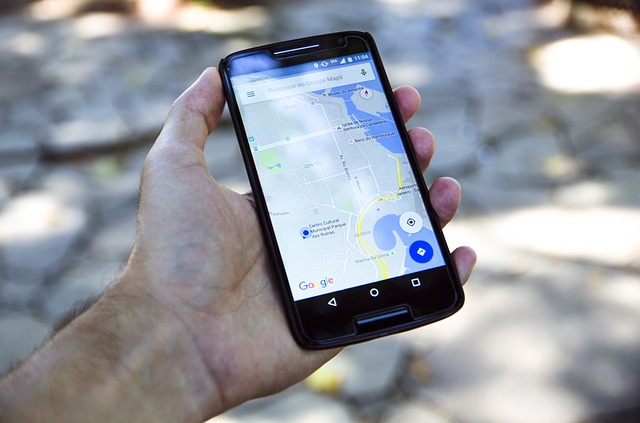
How Cell Phones Have Changed Lives

Since cell phones replaced the cabled telephone service, these devices have developed overtime to perform other operations than just communication. Their diversity of services have made these gadgets the best the society ever had, from being used as means of sending money, they have further enabled people save lives and even networking among different role players with a shared objective not to mention their ability to save data.

Cell Phones Make Saving & Spending Money Easier

Banking is expensive, especially if you live in a town where there is no bank! In developing countries, large portions of the population don’t have access to the financial services that we2 take for granted (for example, direct deposit, credit cards, or savings accounts). But cell phones allow for digital transactions that are both cheaper and safer than paying with cash, or saving cash under the proverbial mattress. Cell phone-based finance also makes credit available to the poor, so they can invest in building a home or starting a small business.

hands-1283183_640

Cell Phones Help Save Lives

Another key use of mobile phones is the SMS for Life program. It uses text messages to help deliver malaria medicines in remote communities. Using simple text messages, the program helps get malaria medicines to the people who need them, and checks on stock levels to avoid running out. Another innovative use of text messages is in HIV prevention, helping young people access information about the disease.

Cell Phones Help Farmers and Their Communities

Studies have demonstrated that access to cellular technology can have a dramatic effect on economic development in deprived areas. For instance, one study in the Journal of Economic Perspectives reported:

“The reduction in communication costs [as a result of the use of mobile phones] can increase the speed of information flows within the network, thereby allowing them to respond better to shocks [such as natural disasters, military conflicts, and epidemics]. Mobile phones also allow households to obtain information about potential shocks, allowing them to use such information to make planting and harvesting decisions, which can have important effects on yields (Rosenzweig and Binswanger, 1993).”

Sourced From: http://mentalfloss.com/article/54133/6-ways-cell-phones-are-changing-world-beyond-ways-youre-probably-thinking

Although cell phones have been around for a while with alot of benefits, they have also impacted the society negatively in a number of ways.  The biggest threat that these gadgets are posing to the users is primarily health risks, from harmful radiations, to deafening loud music sound, as well as dangerous risks such as causing accidents.

The Perils of Loud Music

Ok, so mobile phones are not the only devices that must share blame for exposing our ears to potentially loud noises. But as the convergence of technology brings more and more of our gadgets together, a growing number of people are using their mobile phones to store and play their favorite music.

Sounds louder than 85 decibels can damage hearing. Normal conversation is about 60 decibels, and stereo headphones out of our MP3-enabled devices often reach 100 decibels.

Texting Takes a Toll on Thumbs

When it comes to the possible downsides of mobile device use, the side effects are not all in our heads. Our thumbs, it turns out, may also bear the brunt of our reliance on these devices.

The sores and blisters that some experience from too much texting and typing have earned monikers such as “BlackBerry thumb.” And while the sore thumbs may seem like a new phenomenon, medical experts say there is a rational explanation for this modern-day nuisance.

When Cell Phone Hazards Hit the Road

While the radiation that emanates from cell phones may not be enough to affect our brains, the conversations themselves might.

Those behind the wheel may not be the only ones at risk of a cell phone-related auto accident. So suggests a study published in January in the journal Pediatrics that shows that children are more distracted while crossing the street if they happen to be talking on a cell phone.

Sourced From: http://abcnews.go.com/Health/WellnessNews/story?id=7017768&page=1

One of the challenges  facing the society right now is curbing the menace of the effects of cell phones to the young generation. Most of the youthful people, especially students are so fond of the cell phones oblivious of the effects that these devices have on them. In many countries now parents, teachers as well as the government are fighting hard to bring the situation under control in trying to minimize the usage of cell phones by students.

Almost all college students have a cellphone. They use them an average of eight to 10 hours a day and check them an average of every 15 to 20 minutes while they’re awake.

Heavier smartphone use has been linked to lower-quality sleep and lower GPAs — oh, are you getting a text right now?

I’ll wait.

Anyway, as I was saying, one professor at the University of Colorado Boulder has come up with a solution to smartphone distraction in one of his astronomy classes.

“I was stunned how well it worked,” Doug Duncan wrote in an email to fellow astronomy professors, which he shared with NPR Ed.

Duncan is part of a group at UC Boulder that works on applying learning research to improve teaching in science and engineering fields.

He is the co-author of a paper showing that, at his college, more than 75 percent of undergrads reported texting while in class, and that in-class texting was linked to an average drop of half a letter grade in the course.

But, until now, beyond sharing that data with his students, he hadn’t come up with a plan for reducing smartphone use.

Sourced From: http://www.npr.org/sections/ed/2015/11/10/453986816/how-to-get-students-to-stop-using-their-cellphones-in-class